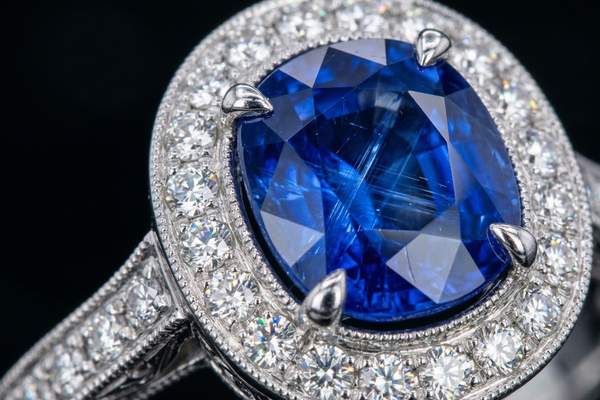
Sapphire engagement rings appeal to couples who want color without giving up everyday practicality. Blue is the classic choice, but sapphire is corundum that appears in almost every color except red, which is classified as ruby. That range lets one ring feel traditional and formal while another looks soft, modern, or unconventional.
The bigger advantage is durability. Sapphire is hard enough for regular wear, but buying well still means looking beyond color. Treatment, cut, setting style, and whether the stone is natural or lab created can all affect appearance, price, care, and long-term satisfaction.
Why Sapphire Works So Well in an Engagement Ring
Sapphire ranks 9 on the Mohs scale of hardness, behind diamond at 10. It also has excellent toughness and no cleavage, meaning it does not have a natural plane along which it readily splits. Those properties give sapphire ring durability a strong foundation for jewellery worn every day.
Hardness does not make a ring indestructible. A sapphire can still chip after a hard blow, particularly around exposed corners. The metal setting can also bend or loosen. Anyone who regularly works with tools, gym equipment, or hard surfaces should still remove the ring during rough activities.
Blue Is Classic, but Sapphire Has a Wider Color Range
A blue sapphire engagement ring can range from pale cornflower tones to deep navy. Color is one of the biggest drivers of beauty and value, and darker is not automatically better. A stone that looks richly blue under bright jewellery-store lighting may appear almost black indoors, so view candidates in daylight and ordinary room light before deciding.
Sapphires also occur in pink, yellow, green, purple, orange, and colorless varieties. Padparadscha sapphire is known for a distinctive pinkish-orange appearance. Personal preference matters more than chasing a prestigious label: an evenly colored, lively stone that suits the wearer can be more satisfying than a rarer sapphire that looks dull in real life.
Cut and Clarity Change How the Color Performs
Colored gemstones are not evaluated exactly like diamonds. With sapphire, cutters often balance shape, color zoning, brightness, and retained weight. A well-cut stone should return light attractively across the face instead of showing a large lifeless or overly dark area.
Some inclusions are normal in natural sapphire. Rather than expecting a perfectly inclusion-free stone, look for inclusions that do not distract from the face-up appearance or threaten durability. A useful buying test is to place two or three similarly sized sapphires side by side on a neutral background, tilt them slowly, and compare how much of each stone stays bright.
Understand Sapphire Treatments Before You Buy
Sapphire treatments are common, and they are not all equivalent. Heat treatment is widely accepted in the gemstone trade and can improve color or clarity. An unheated fine-quality natural sapphire may command a premium because confirmation of no heat adds rarity, but a well-disclosed heated sapphire can still be an excellent engagement-ring stone.
Lattice diffusion uses heat with added elements to alter color. Depending on the process, treated color may penetrate deeply or remain closer to the surface. Diffusion-treated stones generally occupy a different market position from comparable heated-only or untreated sapphires, so disclosure matters when judging price.
Fracture-filled or cavity-filled sapphires need more caution because fillers can be vulnerable to chemicals or heat. If a seller cannot clearly explain whether a sapphire has been treated, ask for written disclosure and, for a valuable natural stone, consider an independent laboratory report.
Natural Sapphire or Lab Created Sapphire?
A lab created sapphire is grown rather than mined, but it can have essentially the same chemical, physical, and optical properties as natural sapphire. It is different from an imitation material that merely resembles sapphire. For buyers focused on a particular color, larger size, or lower price, lab-created stones can offer considerable flexibility.
Natural stones may appeal because of geological origin, rarity, inclusions, or documented provenance. Neither option is automatically better. Ask whether the stone is natural or laboratory-created and whether any treatment has been applied, then compare price within the correct category.
Choose a Setting That Fits Daily Life
Setting design affects both security and appearance. Prong settings expose more of the sapphire, while bezel settings surround the edge with metal and offer extra protection. Halo designs add visual spread, and three-stone rings can mix sapphire with diamonds or other durable gemstones.
Shapes with pointed corners, such as pear or marquise cuts, benefit from protective prongs at vulnerable tips. People with hands-on lifestyles may prefer lower-profile settings that are less likely to catch on clothing or equipment. For related planning, useful internal topics include choosing an engagement ring setting, caring for gemstone jewellery, and natural versus lab-created gemstones.
Care Tips for a Sapphire Engagement Ring
For untreated and heat-treated sapphire, warm soapy water is a dependable cleaning method. Use a soft brush around the underside of the stone, rinse carefully, and dry with a lint-free cloth. Cleaning advice can differ for filled, dyed, or specially treated stones, so treatment disclosure should guide maintenance.
Have the setting inspected periodically, especially if the ring is worn daily. A loose prong is a metal problem rather than a sapphire problem, but it can still result in a lost stone. Store the ring separately from softer gems because sapphire can scratch them.
FAQ About Sapphire Engagement Rings
Are sapphire engagement rings suitable for everyday wear?
Yes. Sapphire has a Mohs hardness of 9 and excellent toughness, making it well suited to engagement rings. Sensible care is still needed to protect both the gemstone and its setting from hard impacts.
Is a darker blue sapphire more valuable?
Not necessarily. Strong saturation is desirable, but a sapphire can become so dark that brightness suffers. Many buyers prefer medium to medium-dark blue stones that stay lively in different lighting.
Are heated sapphires bad?
No. Heat treatment is common and widely accepted. What matters is that the treatment is disclosed and reflected appropriately in the price. Fine unheated sapphires may carry a premium because they are rarer.
Is lab created sapphire durable?
Yes. Properly identified lab-created sapphire has the same basic corundum structure and is highly suitable for daily-wear jewellery. The main differences concern origin, rarity, price, and personal preference rather than basic hardness.
Choosing the Right Sapphire
The best sapphire engagement rings balance beauty with clear information. Start with the color that genuinely appeals to you, then judge cut, brightness, treatment, setting security, and origin. Do not assume that the largest carat weight, deepest blue, or highest price automatically produces the best-looking ring.
A thoughtful purchase comes down to seeing the stone in realistic lighting, understanding what has been done to it, and choosing a setting that matches daily life. Sapphire offers far more creative room than a single-color gemstone while retaining the durability expected from an engagement ring designed to be worn for years.