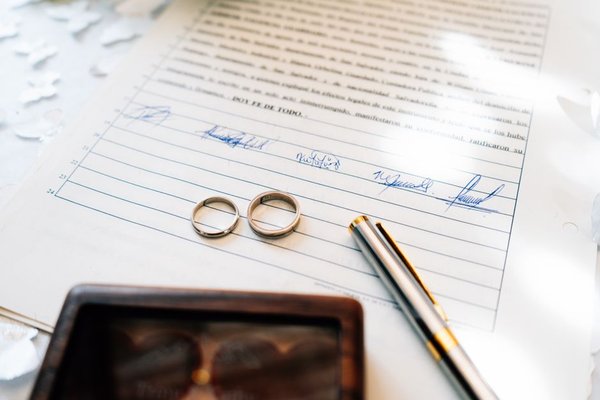
Cutting a wedding budget does not have to mean turning the day into a stripped-down version of what you wanted. The best approach is to protect the parts you care about most, then reduce spending where the difference will barely affect your experience. Instead of making dozens of tiny cuts, focus first on the decisions that drive the largest share of the bill: guest count, venue, food and drink, date, suppliers, and extras.
Before changing anything, agree on your non-negotiables. One couple may care most about photography and a great meal, while another would rather spend on live music and invite more relatives. Affordable wedding planning works best when your budget reflects your priorities rather than a standard checklist of what a wedding is supposed to include.
Start by ranking what matters most
Place every major wedding category into one of three groups: must protect, nice to have, and easy to reduce. This makes later decisions easier. If photography is a must-protect item, you will know not to chase the cheapest photographer simply because you need to save elsewhere.
Then examine lower-priority categories. Decorative signage, upgraded linens, elaborate favours, premium transport, and multiple outfit changes can add cost without adding much value. The goal is to stop paying for details you would not miss.
A useful internal resource here would be our wedding budget checklist for a category-by-category view before making cuts.
Use guest count as a major cost lever
Guest count often affects more than catering. A larger list can require a bigger venue, more tables and chairs, more invitations, additional centrepieces, more drinks, and extra staff. Removing ten or twenty guests may therefore reduce wedding costs across several categories at once.
Create clear invitation rules instead of making random cuts. You might limit children to close family or avoid inviting colleagues you rarely see outside work. Consistent rules make cuts easier to explain.
For example, imagine a couple planning for 120 guests who realise they would genuinely prefer a relaxed dinner with 90. Reducing the list by 30 may allow them to book a smaller room and spend less on food, drink, stationery, rentals, and table décor. They can then keep the photographer and band they really want without pushing the total budget higher.
Compare total packages, not headline prices
A low venue hire fee does not automatically make a venue cheaper. One package may include tables, chairs, linens, staff, cleanup, and sound equipment, while another charges separately. Ask for a written breakdown so you can compare like with like.
Check minimum spends, service charges, overtime rates, corkage, setup charges, and required suppliers. These can materially change the final figure. One of the most useful wedding savings tips is to compare the expected final invoice, not the advertised starting price.
Be flexible with the date and time
Saturday evenings in popular wedding months are often the hardest dates on which to negotiate because demand is strongest. Depending on the venue and local market, a Friday, Sunday, weekday, daytime reception, or less popular season may offer better value. Savings are not guaranteed, so ask for the actual price difference before changing your plans.
A lunch or early-afternoon reception can suit a shorter drinks service, lighter menu, or smaller entertainment package. If that atmosphere appeals to you, timing can help you save money on a wedding without cutting a priority.
Ask suppliers to redesign the package
Negotiating does not have to mean asking a professional to lower their rate for the same work. A better question is: what could we change to bring this package closer to our budget? A photographer might offer fewer coverage hours. A florist might suggest seasonal flowers or reusable ceremony arrangements. A band may offer a shorter set or smaller lineup.
Cut scope before cutting quality
If a supplier is important to you, reducing the amount of work can be better than choosing the cheapest alternative. Six hours with a photographer whose work you love may be a better use of money than ten hours with someone selected only on price. The same principle can apply to flowers, entertainment, stationery, and cake.
Simplify food, drink, and décor strategically
Food and drink can be simplified without making guests feel short-changed. Ask whether a shorter menu, family-style service, limited bar, house wine, or fewer late-night options would suit the event. Extra complexity often costs more.
Décor is another area where restraint helps. Choose a few elements with visual impact instead of decorating every surface. Ceremony flowers may be moved to the reception if the venue allows it, while simple table arrangements can create atmosphere without many separate installations.
If you are deciding how much to allocate to each category, our guide to how to set a wedding budget can help you balance spending before signing more contracts.
Stop small upgrades from multiplying
Wedding spending often grows through upgrades that look harmless on their own. Premium chairs, upgraded glassware, extra desserts, and additional décor may each seem manageable, but together they can create a sizeable gap.
Keep a running total that includes deposits, taxes or VAT where applicable, service charges, delivery, alterations, accessories, and final balances. Whenever you consider an upgrade, ask what you would remove or reduce to pay for it. That rule helps prevent the budget from quietly expanding.
Leave room for later costs
Do not allocate every available pound or dollar at the beginning. Leave room for later costs such as alterations, delivery charges, extra rentals, weather plans, or final guest adjustments. A contingency gives you flexibility without forcing last-minute cuts to something important.
For couples still shaping the invitation list, wedding guest list planning is another useful topic because headcount decisions influence so many other categories.
Frequently asked questions
What is the fastest way to cut wedding costs?
Review guest count, venue package, food and drink, and date first. These decisions usually have more impact than cutting small decorative items one by one. Protect your highest priorities, then reduce lower-value spending.
Is a weekday wedding always cheaper?
No. Some venues and suppliers offer lower prices for less popular dates, but others use similar pricing all week. Ask for written quotes for the exact dates you are considering before assuming there is a saving.
How can I save money without making the wedding look cheap?
Use fewer, more intentional details. Focus on good lighting, a cohesive colour palette, tidy tables, and a small number of strong decorative elements. Guests are more likely to notice the overall atmosphere than the number of decorations.
Should I negotiate with wedding suppliers?
Yes, but focus on adjusting scope rather than demanding the same service for less. Ask whether fewer hours, a smaller package, different materials, or a simpler setup can bring the price closer to your budget.
Protect the experience, not every expense
The best way to cut wedding costs is to decide what you want the day to feel like and spend around that goal. Keep the parts that will shape your memories and guest experience, then be selective about everything else. By comparing full packages, controlling guest count, choosing timing carefully, and negotiating scope, you can save money without turning planning into a series of disappointing compromises.