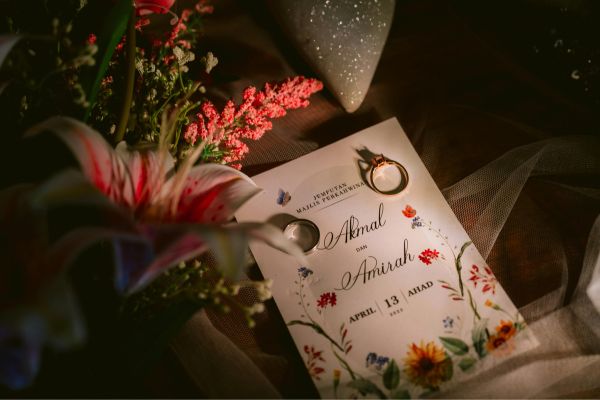
RSVP cards may be small, but they carry a surprising amount of personality. Tucked neatly inside a wedding invitation suite, they do a very practical job: they tell you who is coming, who cannot attend, what meal they want, and sometimes whether they will dance, toast, travel, or bring a plus-one. Still, practical does not have to mean plain. With the right tone, a response card can feel charming, playful, elegant, or completely personal.
That is where creative RSVP card wording becomes useful. Instead of relying only on the traditional “accepts with pleasure” and “declines with regret,” couples today are choosing phrases that sound more like them. Some are romantic and polished. Others are funny, relaxed, or full of little details that hint at the wedding mood. The wording does not need to be dramatic. It just needs to feel intentional.
A creative RSVP card also makes the guest experience feel warmer. It invites people into the celebration before the wedding day even arrives. And, just as importantly, it helps couples collect the information they actually need without making the card feel crowded or confusing.
Why RSVP Card Wording Deserves Attention
It is easy to spend weeks thinking about invitation paper, fonts, colors, and envelope liners, then rush through the RSVP card in five minutes. But the response card is one of the most interactive pieces in the entire invitation set. Guests do not just read it. They fill it out, check a box, write their name, choose a meal, and send it back.
The wording sets the mood for that little exchange. Formal language tells guests the event will be classic and refined. Casual wording suggests a relaxed, friendly celebration. Playful wording gives people permission to smile before they even arrive.
There is another reason to think carefully about the language: clarity. Creative does not mean confusing. The best RSVP wording is expressive, but still easy to understand. Guests should know the deadline, where to respond, how many seats are reserved, and whether they need to choose a meal.
Classic Wording With a Softer Touch
Some couples want their RSVP card to feel timeless, but not overly stiff. In that case, a classic structure with gentler phrasing works beautifully. Instead of using wording that sounds copied from a century-old etiquette book, you can keep the elegance while making it feel more personal.
A polished example might read: “We joyfully accept” and “We will be celebrating from afar.” This keeps the response simple, but adds a warmer feeling than the usual yes-or-no format. Another option is “Happily attending” and “Sadly unable to join.” These phrases are graceful, clear, and suitable for almost any wedding style.
For a formal evening wedding, you might choose something like “Accepts with delight” and “Regretfully declines.” It feels traditional without becoming cold. The secret is to keep the wording short. RSVP cards do not have much space, and too many decorative phrases can make the card harder to read.
Romantic RSVP Wording for Sentimental Weddings
For couples planning a soft, emotional, or garden-inspired wedding, romantic wording can feel especially fitting. These cards often use language that reflects love, togetherness, and the joy of gathering.
Instead of a simple “yes,” the card might say, “Wouldn’t miss it for the world.” For the decline option, “Sending love from afar” feels gentle and thoughtful. Another sweet pairing is “Ready to celebrate your love” and “Toasting you from a distance.”
This style works well for weddings with handwritten-style fonts, floral designs, candlelit receptions, or intimate guest lists. It gives the RSVP card a softer voice without turning it into a poem. The goal is not to make every line emotional. A small romantic phrase is enough to create the feeling.
Romantic wording can also be lovely for the meal choice section. Instead of simply writing “beef, chicken, vegetarian,” you might introduce it with “Please choose your dinner for the evening.” It sounds elegant and calm, while still being completely clear.
Funny RSVP Wording for Lighthearted Couples
Some couples are not naturally formal, and their RSVP card should not pretend otherwise. Funny wording can make the invitation feel instantly personal, especially if humor is part of the couple’s relationship.
A playful yes option might read, “Yes, save us a seat near the cake.” The no option could say, “No, and we are very sad about the cake.” Another fun pairing is “Ready to dance badly” and “Will celebrate from the couch.” These lines are casual, but still understandable.
Humor works best when it is warm rather than sarcastic. Guests of different ages and backgrounds should still understand what they are choosing. A joke that feels too private may be funny to the couple, but confusing to everyone else.
Funny creative RSVP card wording is especially suited to backyard weddings, destination parties, casual receptions, and couples who want the day to feel relaxed from the start. It can also make guests more likely to send the card back quickly, simply because it feels enjoyable to fill out.
Modern RSVP Wording for Minimal Invitations
Modern wedding invitations often use clean designs, simple layouts, and direct language. The RSVP wording should match that style. It can be creative without being wordy.
A modern card might say, “Yes, I’ll be there” and “No, I can’t make it.” Another version could read, “Count me in” and “I’ll be there in spirit.” These phrases are short, fresh, and easy to scan.
For couples using online RSVPs, modern wording is especially useful. A card or insert may simply say, “Please reply by May 12 at our wedding website.” Then, on the digital form, the response options can carry the personality.
Modern wording usually avoids long etiquette phrases. It feels more like a thoughtful note than a formal announcement. That does not make it less respectful. It just makes it feel current.
Destination Wedding RSVP Wording
Destination weddings often require more information than a local ceremony. Couples may need to know who is traveling, who will attend welcome events, and whether guests need transport or accommodation guidance. The RSVP card has to work a little harder.
A destination-style card might use wording such as “Packing our bags” for yes and “Celebrating from home” for no. For a beach wedding, “Sun, sand, and vows? We’re in” can be a fun response option. For a mountain wedding, something like “Ready for the view” adds a subtle sense of place.
Still, destination RSVP cards should not become too crowded. If there are multiple events, it may be better to send guests to a wedding website for the full response form. The printed card can stay simple while the online RSVP collects details about travel dates, meal choices, and extra celebrations.
Meal Choice Wording That Feels Natural
Meal selections are one of the most common additions to an RSVP card. They are also one of the easiest places for wording to feel awkward. Instead of making the section sound too mechanical, a softer introduction can help.
Phrases like “Please select your entrée” or “Dinner choice” are simple and reliable. For a more relaxed card, “What would you love for dinner?” feels friendly. For a formal wedding, “Kindly indicate your preferred meal” fits better.
If you are offering dietary options, leave room for guests to mention allergies or restrictions. A line such as “Dietary notes” or “Please share any dietary needs” is clear and considerate. This small detail can prevent last-minute catering stress and helps guests feel looked after.
Wording for Online RSVP Cards
Many couples now use a printed invitation with an online RSVP system. In that case, the wording should be short and direct, but it can still have charm.
A simple version might say, “Please reply by June 3 at our wedding website.” A warmer option could be, “We hope you can celebrate with us. Kindly RSVP online by June 3.” For a casual wedding, “Tell us if you’re coming by June 3” feels friendly and easygoing.
The most important detail is the deadline. Creative wording should never hide the date. Couples should also make sure the website address is easy to read. A beautiful RSVP card loses its purpose if guests cannot figure out where to respond.
Keeping the Wording Clear and Personal
The best creative RSVP card wording sounds like the couple, but still respects the guest. It should fit the wedding’s tone, whether that tone is black-tie elegance, garden romance, modern simplicity, or dance-floor chaos.
Before finalizing the wording, it helps to read the card as a guest would. Is the deadline obvious? Is the yes-or-no choice clear? Are meal options easy to understand? Does the tone match the invitation? If the answer is yes, the wording is doing its job.
Creativity works best when it supports the practical details, not when it competes with them. A response card can be playful, but it still needs to collect accurate responses. It can be romantic, but it should not be vague. It can be modern, but not so minimal that guests miss important information.
Conclusion
Creative RSVP card wording is a small detail that can make a wedding invitation feel more personal, polished, and memorable. It gives couples a chance to show their tone before the celebration begins, whether that tone is elegant, funny, romantic, relaxed, or modern.
The key is balance. Guests should enjoy reading the card, but they should also know exactly how to respond. A clever phrase is lovely, but clarity is what keeps the planning process smooth. When the wording feels true to the couple and easy for guests to follow, the RSVP card becomes more than a formality. It becomes the first little conversation between the wedding day and the people invited to share it.