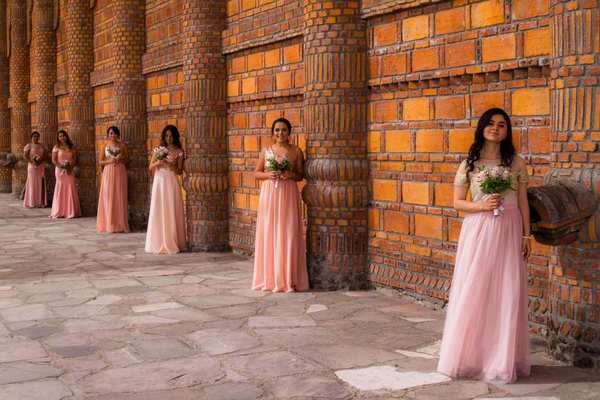
Junior bridesmaids are often at an in-between stage: old enough to want a say in their outfit, but not always comfortable in a gown designed for adults. The best junior bridesmaid dresses respect that difference. They complement the wedding party while allowing younger attendants to move, sit, and enjoy the celebration.
Rather than copying the adult bridesmaid dress exactly, start with three things: the wedding palette, the venue, and the wearer’s preferences. That combination makes choosing a coordinated, comfortable outfit far easier.
Start with the Junior Bridesmaid, Not the Dress
There is no universal age dividing a flower girl, junior bridesmaid, and adult bridesmaid. Couples choose roles differently, so the clothing can be flexible too. Ask the younger attendant about colors, skirt shapes, sleeves, and anything she dislikes wearing. Include a parent or guardian in decisions about fit and budget.
An age appropriate wedding party dress need not look childish. A simple A-line silhouette, soft fabric, and considered details can feel polished without mimicking an adult gown.
Find a Fit That Works Beyond the Photograph
Measure Rather Than Relying on Age Labels
Sizes for tween bridesmaid dresses vary by retailer. Measure the chest, waist, hips, and desired shoulder-to-hem length, then consult the brand’s actual chart. Take length measurements with the likely wedding shoes on.
If measurements fall between sizes, consider which areas can be altered without changing the design. A tailor may shorten a hem or adjust straps, but correcting an oversized neckline or a tight armhole can be much harder.
Use a Simple Movement Test
Ask the wearer to sit, walk, lift both arms, and step onto a low platform. Watch for straps slipping, fabric scratching, the waist digging in, or a skirt restricting movement. A soft lining, secure bodice, and adjustable straps can make long celebrations much more comfortable.
For children with sensory sensitivities, check the feel of seams, labels, embellishments, and waistbands against the skin. Comfortable junior attendant dresses make it easier to participate confidently throughout the day.
Choose Length and Coverage Together
Knee-length and tea-length styles are often practical because they leave room for walking and reduce the chance of stepping on a hem. Floor-length dresses can suit formal ceremonies, but they should clear the ground while the wearer walks in her chosen shoes.
Coverage is about secure fit and personal comfort rather than one prescribed neckline. Wider straps, short sleeves, a higher neckline, or a coordinating layer may appeal to some junior bridesmaids. Check that the armholes do not gape and that the dress stays in place without constant adjustment.
For outdoor venues, also consider wind and uneven surfaces. A light skirt that looks beautiful indoors may need careful lining or a less voluminous shape outside.
Match the Wedding Party Without Copying Every Detail
Sharing a color is often enough to connect junior bridesmaid outfits with the adult gowns. A younger attendant might wear tea-length chiffon while adults wear long satin dresses in the same shade. Alternatively, choose a related tone and repeat a sash or floral accessory.
Compare fabric swatches in daylight whenever possible. Colors with identical names can differ between brands, and glossy satin can reflect light differently from matte crepe. For a cohesive look, agree on two shared details, such as color and accessory style, rather than demanding an identical cut.
This flexible approach also helps accommodate different body shapes, modesty preferences, and mobility needs without making anyone look separate from the group.
Let Fabric and Weather Guide the Choice
For warm-weather ceremonies, lightweight woven fabrics and chiffon overlays may feel more comfortable than dense, heavily embellished gowns. The lining still matters: check whether it is soft, breathable, and opaque in natural light.
Tulle adds playful volume, but stiff layers can scratch or snag. If the wearer likes it, look for a smooth lining underneath. In cooler weather, consider a suitable jacket, cardigan, or wrap that works with the dress. Even a heavier gown may not provide enough warmth during outdoor photographs.
Comparing bridesmaid dress fabrics before buying can help families balance appearance, care requirements, and comfort.
Keep Shoes and Accessories Practical
Secure flats, comfortable dress shoes, or supportive sandals are often better choices than unfamiliar heels. Test footwear indoors before the wedding and check for rubbing. The venue matters: thin soles and narrow heels can be awkward on grass, gravel, or uneven paths.
Choose lightweight hair accessories and jewelry that do not snag delicate fabric. If the adults wear elaborate accessories, echo their color or material in a simpler piece for the junior attendant.
A Realistic Example for a Garden Wedding
Imagine an eleven-year-old junior bridesmaid at a summer garden wedding. The adult attendants wear floor-length sage-green satin gowns. She prefers covered shoulders and will walk along a grassy aisle before dancing at the reception.
A sage tea-length dress with short sleeves, a smooth lining, and a flowing skirt would coordinate beautifully without being an exact copy. Closed-toe flats would help her navigate the grass. A shared hair ribbon could tie the looks together for photographs.
The result feels coordinated because the overall impression matches, not because every neckline and hem is identical. Most importantly, she can enjoy the day without repeatedly fixing her clothing.
Plan for Growth, Alterations, and the Schedule
Children can change size between ordering and the ceremony. Review delivery windows, return policies, and alteration availability before purchasing. Arrange a final fitting reasonably close to the wedding, leaving enough time for adjustments.
At that appointment, bring the intended shoes and undergarments. Check the hem while walking, the straps while moving, and comfort while sitting. Keep a matching layer available if the forecast changes. A wedding dress code guide can help families understand the event’s formality when selecting finishing touches.
Frequently Asked Questions
Do junior bridesmaid dresses have to match adult bridesmaid dresses?
No. A shared color, fabric family, or accessory can unite the wedding party even when lengths and silhouettes differ.
What dress length is best for a junior bridesmaid?
Knee-length and tea-length dresses are practical for many settings. Longer styles work too when the hem permits safe walking in the selected shoes.
Can junior bridesmaids wear sleeves?
Yes. Sleeveless, short-sleeved, and long-sleeved styles can all work. Choose according to fit, weather, and the wearer’s comfort.
When should a junior bridesmaid dress be purchased?
Order early enough for shipping, exchanges, and alterations, but plan a fitting closer to the ceremony because a growing child’s measurements may change.
Make Comfort Part of the Wedding Look
The most successful junior bridesmaid dresses balance coordination with individuality. When the dress fits securely, suits the venue, and earns the young attendant’s approval, the wedding party can look cohesive without asking her to dress like a smaller adult.