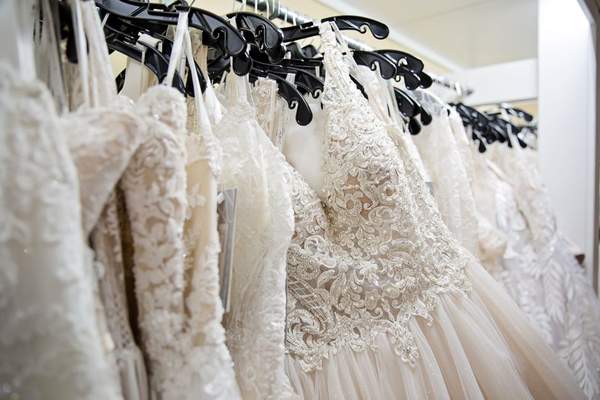
Two bridal appointments can look almost identical from the outside: racks of gowns, a fitting room, and someone helping you find the right dress. Yet shopping directly with a wedding dress designer can feel different from visiting a multi-brand bridal boutique. The better choice depends on how certain you are about your style, what you want to change, and how much time you have.
If you are deciding where to buy a wedding dress, ask whether you want to explore different design perspectives or focus on one designer’s look. That distinction shapes almost everything that follows.
What Is the Difference Between a Wedding Dress Designer and a Bridal Boutique?
Shopping directly with a designer
A designer-direct appointment usually takes place at a brand’s studio, flagship salon, or showroom. You typically see that label’s collection and work with staff familiar with its fabrics, construction, and approved options. Some studios create bespoke gowns, but others sell standard collection styles. A designer appointment is not automatically a custom-design consultation.
Shopping at a multi-brand boutique
A bridal boutique typically selects gowns from several labels. Consultants can compare different designers, price levels, fits, and aesthetics during one appointment. That variety helps when the dress you imagined does not feel right once you try it on.
Not every boutique is multi-brand, though. Some designer bridal salons carry one label or exclusive collections. Check the brands and samples before booking rather than relying on the shop’s name.
Which Offers Better Selection and Try-On Options?
A boutique often wins on variety. You might compare a structured satin ball gown with a lightweight crepe sheath and an embellished A-line without changing locations. The contrast can reveal what feels comfortable and appropriate for your venue.
A designer salon offers a narrower but more coherent selection. If you love one house’s tailoring or embroidery, you can explore variations in its necklines, skirts, and fabrics. You may also see collection pieces unavailable locally elsewhere.
Neither appointment guarantees your preferred size or style is available to try on. Ask which samples are in store and what sample sizes they carry. Reading about wedding dress silhouettes beforehand can help you describe your preferences without fixating on one photograph.
How Much Customization Can You Actually Get?
Buying from a wedding dress designer does not necessarily mean you can redesign the gown. Some brands permit changes such as adding sleeves, lining a sheer bodice, or extending a train. Others restrict modifications to protect the design.
A boutique may also order manufacturer-approved changes. Its seamstress might adjust certain details after delivery, although structural alterations can be costly or impractical, especially when boning or intricate lace is involved.
Ask whether your idea is a factory modification, a bespoke design, or a post-delivery alteration. Those are different services with different costs and risks. Get any promised changes in writing before paying.
Is Designer-Direct Shopping Cheaper Than a Bridal Boutique?
Not necessarily. Buying directly from a designer does not guarantee a lower price, and a boutique does not automatically charge more for the same gown. Prices depend on the brand, materials, workmanship, retailer arrangements, and services.
Compare the complete bill: gown price, applicable taxes, customization, alterations, shipping, rush fees, accessories, and appointment charges. Ask which items are included in the quote and which require separate payment.
A less expensive dress that needs major reconstruction could cost more overall than a pricier one requiring only a hem and minor adjustments. Reserve some of your budget for tailoring instead of spending everything on the dress.
What Should You Expect From Each Appointment?
At a designer studio, discussion may center on variations within one creative vision. At a multi-brand boutique, the stylist may test your preferences across several labels and recommend unexpected options.
Service quality depends on the salon, not its business model. Before booking, ask about appointment length, guest limits, fees, photography, and available sample sizes. Tell the consultant your budget and wedding date so they can suggest realistic choices.
If you have never tried on gowns, a boutique carrying contrasting styles can be a useful first stop. If you know exactly which collection you want, a focused designer visit may be more productive.
Ordering, Delivery, and Alterations: What Changes?
Many wedding gowns are special-ordered after the appointment. They are often ordered in a designer’s standard size based on measurements and tailored after arrival. This is different from a gown made precisely to your measurements from the start.
Production times vary by brand, season, and customization. Bridal retailers often suggest shopping nine to twelve months before the wedding to allow for ordering and fittings, but that is guidance, not a universal deadline. Stock gowns and rush orders may work for shorter timelines.
Ask who places the order, who resolves mistakes or delays, where the dress is delivered, and who handles alterations. Boutiques and studios may offer in-house fittings or refer you to an outside specialist. Confirm costs, fitting dates, and responsibilities. A bridal alterations checklist can help you prepare early.
A Practical Example: One Bride, Two Different Choices
Imagine you love sculpted, minimalist gowns but have never tried on bridalwear. A multi-brand boutique allows you to compare versions of that look. You might discover that one designer’s rigid bodice feels restrictive while another’s softer construction works better.
Now imagine you already love one particular gown but want more shoulder coverage. Contact the designer’s studio and an authorized stockist. Ask both whether the sleeve change is officially offered, what it costs, and who manages delivery and fitting. Choose the appointment that can answer those questions clearly.
How to Choose Where to Book First
Choose a multi-brand boutique if you want to explore styles, compare prices, or test several silhouettes. Choose designer-direct shopping if you are committed to one aesthetic, want to see a particular collection, or need to discuss the brand’s approved modifications.
You can also do both. Begin with a broad appointment, then visit a designer studio after identifying what matters most. Record the total price, order timeline, and alteration arrangements so you can compare more than first impressions.
Frequently Asked Questions
Can a bridal boutique order a designer wedding dress?
Yes. Authorized boutiques often order gowns directly through the labels they stock and may request approved modifications.
Is a designer wedding dress always made to measure?
No. Many designer gowns come in standard sizes and are tailored afterward. Ask separately about made-to-measure and bespoke services.
Should I book a boutique or designer appointment first?
Start at a multi-brand boutique if your style is uncertain. Visit a designer studio or authorized stockist first if one collection already stands out.
Can I get a wedding dress quickly from either option?
Possibly. Ask about off-the-rack samples, quick-ship styles, and rush orders. Availability and additional charges depend on the gown and date.
Final Thoughts
The wedding dress designer vs bridal boutique decision is about the guidance you need. A boutique offers breadth and comparison; a designer’s studio offers depth within a particular collection. Neither is universally better. Shop where you can try relevant gowns, receive clear answers about changes and delivery, and understand the full cost before committing.