A wedding ceremony has a rhythm all its own. Long before the flowers, the outfits, or the music, there is an underlying structure that quietly guides the entire experience. This structure—often referred to as the traditional wedding ceremony order—has been shaped over centuries by culture, religion, and shared human rituals around commitment. Even in modern weddings filled with personal touches, this traditional flow still forms the backbone of many ceremonies today.
Understanding the traditional wedding ceremony order doesn’t just help couples plan more confidently. It also helps guests feel oriented, present, and emotionally connected as the moment unfolds. Each part exists for a reason, carrying symbolism that adds depth to what might otherwise feel like a series of formal steps.
The Arrival of Guests and the Atmosphere Before the Ceremony
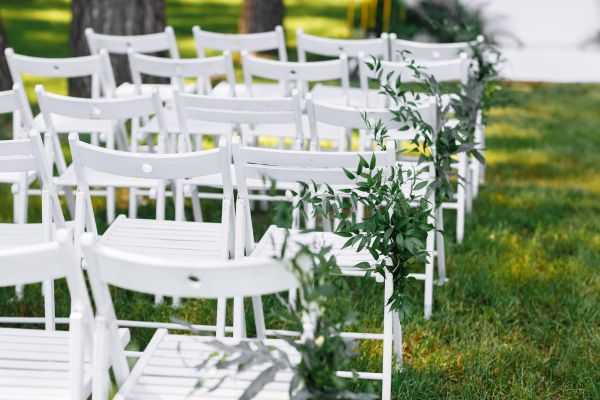
Every ceremony begins before anyone officially “begins.” Guests arrive, take their seats, and settle into a space designed to feel meaningful, calm, and anticipatory. Music often plays softly in the background, setting the emotional tone long before the couple appears. In traditional settings, this prelude music is instrumental and understated, allowing conversation to fade naturally as attention shifts toward the ceremony itself.
This moment matters more than people realize. It signals a transition from everyday life into a shared, symbolic experience. The room grows quieter, the energy changes, and everyone becomes aware that something important is about to happen.
The Processional and the Entrance of the Wedding Party
The processional is where the traditional wedding ceremony order becomes visible. One by one, participants walk down the aisle, marking the formal beginning of the event. While variations exist across cultures and religions, the underlying purpose remains the same: to guide attention toward the commitment about to take place.
Typically, close family members are seated first, followed by the wedding party entering in a specific sequence. This gradual movement builds emotional momentum. By the time the couple appears, the space feels charged with significance. In many traditions, the entrance of the couple—especially when accompanied by a parent or guardian—symbolizes support, continuity, and the joining of families.
The Opening Words and Welcome
Once everyone is in place, the officiant offers opening words. This part of the traditional wedding ceremony order serves as both a welcome and a grounding moment. It acknowledges why everyone has gathered and frames the ceremony as more than a social event.
These words often speak to the meaning of marriage, the seriousness of the commitment, and the shared role of the community present. Even when phrased simply, this section invites guests to become witnesses rather than passive observers.
Readings and Reflections on Marriage
In many traditional ceremonies, readings follow the opening remarks. These may come from religious texts, poetry, or literature that reflects on love, partnership, and responsibility. While modern couples sometimes customize this section heavily, the idea itself is deeply rooted in tradition.
Readings create a pause in the ceremony’s pace. They allow space for reflection and remind everyone that marriage is not just about the couple’s feelings in the moment, but about enduring values that stretch beyond the day itself.
The Declaration of Intent
At the heart of the traditional wedding ceremony order lies the declaration of intent. This is the moment when each partner clearly and publicly affirms their choice to enter the marriage. Though wording varies, the meaning is consistent: a conscious, voluntary commitment made in front of witnesses.
This step is crucial because it establishes consent and intention. Without it, the ceremony would lack its legal and symbolic foundation. It is often brief, but emotionally powerful, because it strips the moment down to its most essential truth.
The Exchange of Vows
The exchange of vows is often the emotional core of the ceremony. In traditional formats, vows follow established language that has been spoken for generations. These words emphasize fidelity, support, and endurance through both joy and hardship.
Even when couples personalize their vows, the structure remains recognizable. Promises are spoken aloud, received, and acknowledged. This moment transforms private intention into public commitment, giving the marriage its moral weight.
The Giving and Receiving of Rings
Following the vows, rings are exchanged as physical symbols of the promises just made. In the traditional wedding ceremony order, this action reinforces the spoken words with a visible, lasting token.
The circular shape of the ring has long represented continuity and unity. As each ring is placed, the abstract idea of lifelong commitment becomes tangible. This quiet moment often carries immense emotional impact, precisely because it is so simple.
The Pronouncement of Marriage
After vows and rings, the officiant formally pronounces the couple married. This declaration marks a clear transition: what was promised is now established. In traditional ceremonies, this moment carries both legal and symbolic authority.
The language used here often feels ceremonial and definitive. It signals that the commitment has been recognized by tradition, community, and, in some cases, faith.
The First Kiss and Public Acknowledgment
The first kiss follows the pronouncement, offering a moment of release after the ceremony’s most solemn sections. It is light, joyful, and unmistakably celebratory. In the traditional wedding ceremony order, this moment serves as the first public expression of the couple’s new status.
Applause usually follows, not because it is required, but because it feels natural. The emotional tension built throughout the ceremony finally resolves into shared happiness.
The Recessional and the Closing of the Ceremony
The recessional brings the ceremony to a close as the couple exits together, followed by the wedding party. Music returns, often more upbeat than the prelude, signaling a return to celebration.
This final movement completes the narrative arc of the traditional wedding ceremony order. The couple enters separately, makes commitments, and leaves united. It is a simple structure, but one that resonates deeply across cultures and generations.
Why the Traditional Wedding Ceremony Order Still Matters
In a time when weddings are increasingly personalized, the traditional wedding ceremony order continues to endure. Its strength lies in balance. It provides enough structure to feel meaningful, yet enough flexibility to allow individuality.
For many couples, tradition offers comfort. It connects their story to something larger than themselves and grounds a deeply personal moment in shared human experience. Even when adapted or simplified, the traditional order offers a framework that honors both emotion and intention.
A Thoughtful Conclusion on Tradition and Meaning
The traditional wedding ceremony order is not about rigid rules or outdated customs. At its core, it is a carefully shaped journey from anticipation to commitment to celebration. Each step exists to guide emotions, focus attention, and give weight to promises that deserve to be taken seriously.
Whether followed closely or gently reimagined, this order continues to resonate because it reflects something timeless: the human desire to mark love, choice, and partnership in a way that feels both personal and profound. Understanding it allows couples and guests alike to experience a wedding ceremony not just as an event, but as a meaningful passage into a new chapter of life.