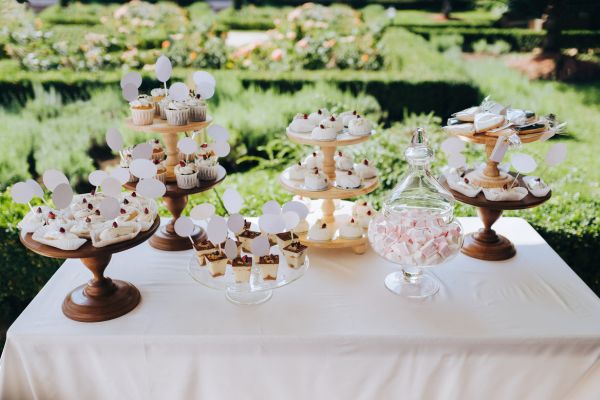
Wedding dessert tables have quietly transformed from a small decorative detail into one of the most anticipated parts of the reception. Guests naturally gather around them, cameras come out almost immediately, and couples often spend far more time planning desserts than they initially expect. A thoughtfully designed dessert table does more than offer sweets at the end of dinner—it shapes the atmosphere of the celebration itself.
Learning how to plan a wedding dessert table involves balancing aesthetics, flavor, practicality, and personality all at once. It is not simply about ordering a collection of desserts and arranging them on a table. The best dessert displays feel connected to the mood of the wedding, the season, and even the personalities of the couple hosting it.
Some dessert tables lean elegant and understated, while others feel playful, dramatic, romantic, or nostalgic. There is no single correct approach. What matters most is creating something that feels inviting rather than overly staged.
Interestingly, guests rarely remember the exact number of desserts served. What they tend to remember is how the table made them feel when they first walked toward it late in the evening, music still drifting through the room while candles flickered nearby.
Start With the Overall Atmosphere of the Wedding
Before choosing desserts or decorations, it helps to step back and think about the atmosphere of the wedding as a whole.
A formal ballroom reception calls for a different dessert presentation than a backyard garden celebration or a rustic barn wedding. Trying to force a trendy dessert style into the wrong setting often creates visual tension, even if the desserts themselves are beautiful.
Couples sometimes make the mistake of treating the dessert table as a completely separate design project. In reality, it works best when it feels connected to the broader environment. Floral arrangements, color palettes, lighting, table textures, and serving pieces should all quietly support the same overall tone.
For example, soft romantic weddings often pair naturally with delicate pastries, muted tones, and layered floral accents. Modern city weddings may lean toward minimalist displays with bold contrast and clean lines. Outdoor receptions frequently benefit from lighter textures and desserts that feel relaxed rather than overly formal.
When the dessert table feels emotionally connected to the reception itself, guests notice the harmony immediately—even if they cannot fully explain why.
Choose Desserts That Guests Will Actually Enjoy
Visual presentation matters, but flavor should never become secondary.
One of the most common shifts in modern weddings is the growing focus on desserts that taste genuinely memorable rather than simply looking impressive. Guests appreciate beautiful displays, but they remember flavors and textures long after the reception ends.
Variety usually works better than excess. Instead of offering enormous quantities of similar sweets, many couples now create smaller selections with different textures and flavor profiles. Rich chocolate desserts balance lighter fruit pastries nicely, while creamy desserts pair well beside crisp cookies or flaky pastries.
Miniature desserts remain especially popular because they encourage guests to sample multiple options. Bite-sized cheesecakes, macarons, mini tarts, brownies, dessert shooters, and small pastries create a more relaxed and interactive atmosphere.
Seasonality also improves dessert choices naturally. Fresh berries, citrus flavors, and lighter pastries suit spring and summer weddings beautifully, while caramel, spice, chocolate, and nut-based desserts feel more fitting during colder months.
One subtle but important detail is balancing sweetness. A dessert table where every item tastes overwhelmingly sugary tends to feel repetitive quickly. Contrasting flavors create a much more enjoyable experience overall.
Decide Whether the Cake Will Be the Centerpiece
Wedding cakes still play an important role at many receptions, but they are no longer required to dominate the dessert table entirely.
Some couples choose a large central cake surrounded by smaller desserts, while others prefer a modest cutting cake accompanied by a wider dessert spread. Increasingly, couples are moving toward balanced displays where the cake feels integrated into the table rather than isolated as a formal centerpiece.
This decision affects the entire layout.
A dramatic multi-tier cake naturally draws visual attention and influences how surrounding desserts should be arranged. Smaller cakes allow greater flexibility with layering, signage, and decorative details across the table.
There is also a practical side to this choice. Large wedding cakes require careful transportation, temperature management, and structured serving plans. Smaller cakes paired with additional desserts sometimes create a more relaxed flow throughout the evening.
Ultimately, the cake should feel proportionate to both the guest count and the atmosphere of the reception itself.
Pay Attention to Table Layout and Height
One reason some dessert tables feel visually striking while others appear flat often comes down to structure rather than dessert quality.
Height variation creates movement and helps guide the eye naturally across the display. Cake stands, risers, trays, stacked books, wooden crates, or layered serving pieces all contribute to a more dynamic arrangement.
Without height differences, even beautiful desserts can blend together visually.
Spacing matters just as much. Overcrowded dessert tables quickly feel chaotic, while overly sparse arrangements sometimes look unfinished. Finding balance takes restraint.
Many professional stylists suggest beginning with the tallest elements first, then gradually building outward with medium and smaller details. This creates natural visual flow without forcing symmetry.
Interestingly, asymmetrical dessert tables often feel more modern and organic than perfectly mirrored arrangements. Slight irregularity tends to make displays feel softer and more welcoming.
Lighting also changes everything. Candles, string lights, or warm overhead lighting help desserts appear inviting rather than purely decorative.
Incorporate Personal Details Thoughtfully
One of the reasons wedding dessert tables feel so memorable today is the growing emphasis on personal storytelling.
Couples increasingly include desserts connected to family traditions, favorite travels, childhood memories, or meaningful cultural recipes. These details create emotional warmth that guests respond to naturally.
The key is subtlety.
A table filled with too many unrelated themes can feel confusing. Personal touches work best when woven gently into the overall design rather than competing for attention.
For example, incorporating one family recipe alongside modern desserts often feels more meaningful than trying to recreate every nostalgic favorite at once. Cultural desserts also add richness and individuality without requiring elaborate explanation.
Handwritten labels, framed photographs, heirloom serving pieces, or desserts inspired by meaningful places can quietly deepen the atmosphere of the table.
What matters most is authenticity. Guests tend to connect with dessert tables that feel personal rather than overly trend-focused.
Consider the Flow of the Reception
Learning how to plan a wedding dessert table also involves thinking beyond aesthetics and considering guest movement throughout the evening.
Placement matters more than many couples initially realize.
Dessert tables positioned too close to crowded dance floors sometimes become difficult to access, while isolated corners may prevent guests from interacting naturally with the display. Ideally, the table should feel visible and inviting without interrupting the flow of the reception.
Timing also affects guest experience. Dessert tables revealed later in the evening often create more excitement than displays sitting untouched for hours from the beginning of the reception.
Some weddings intentionally dim lights or shift music before dessert service to create a subtle transition in energy. That small change helps the dessert moment feel like part of the celebration rather than an afterthought.
Practical details matter too. Guests should have enough space to browse comfortably without long bottlenecks forming around the table.
Even the direction people approach from influences how the display is experienced visually.
Match Dessert Quantities to the Style of the Wedding
Not every guest will eat several desserts, and not every wedding requires an oversized display.
Formal receptions with plated dinners often need smaller dessert portions because guests are already full by the time sweets appear. Cocktail-style weddings or late-night receptions may require more substantial dessert options instead.
Outdoor summer weddings sometimes see lower consumption of heavy desserts, while colder evening receptions tend to encourage richer sweets and second servings.
One interesting reality is that guests often eat based on presentation as much as hunger. Dessert tables that feel accessible and relaxed usually attract more interaction than highly formal arrangements where guests hesitate to disturb the display.
Mini desserts help tremendously with this because guests feel comfortable taking smaller portions casually throughout the evening.
Careful planning prevents waste while still allowing the table to feel abundant and inviting.
Seasonal Styling Creates Natural Harmony
Seasonal dessert tables almost always feel more cohesive than displays disconnected from the time of year.
Spring weddings naturally pair well with floral details, pastel tones, berries, and lighter pastries. Summer receptions often embrace citrus flavors, fresh fruit, and airy desserts that hold up better in warmer temperatures.
Autumn dessert tables benefit from texture and warmth. Caramel, cinnamon, maple, apple, and toasted nut flavors create a comforting atmosphere that feels connected to the season itself.
Winter weddings frequently lean richer and moodier, incorporating chocolate, espresso, dark berries, metallic accents, and candlelit styling.
Seasonality also helps simplify design decisions. Instead of chasing trends, couples can let the environment guide color palettes and flavor combinations more naturally.
That organic connection often creates the most timeless results.
Conclusion
Planning a wedding dessert table is about much more than arranging sweets on a decorated surface. The most memorable displays balance flavor, atmosphere, visual texture, and personal meaning in ways that feel effortless to guests even when careful planning sits underneath every detail.
Understanding how to plan a wedding dessert table begins with thinking about the experience itself. Guests should feel invited into the display rather than simply observing it from a distance. Whether the table feels romantic, modern, nostalgic, minimal, or playful, it should reflect the tone of the celebration naturally.
What makes dessert tables so compelling is that they bring people together in a softer, less formal way. Long after dinner speeches fade and the dance floor fills, guests often gather near the desserts sharing conversations, comparing flavors, and returning for one last bite before the evening ends.
In many ways, the dessert table becomes a reflection of the wedding itself—carefully planned, deeply personal, and meant to be shared.