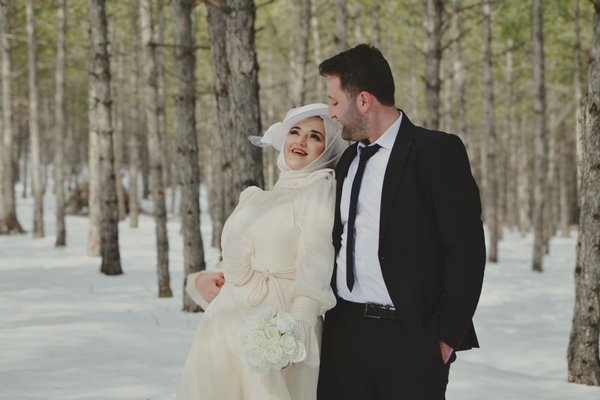
A winter wedding gives a groom the chance to wear rich fabrics, subtle texture and deeper colours. Yet winter wedding suits for grooms need to do more than look seasonal. They must handle cold journeys, warm reception rooms and a long day of moving, sitting and celebrating.
Before choosing a suit, ask three questions: How much time will you spend outdoors? How formal is the venue? And how warm are the indoor spaces? Those answers should shape your winter groom attire more than the calendar date alone.
Dress for the Venue, Not Just the Weather
A December ceremony in a heated city hotel calls for something different from a January celebration in a draughty country house. Think through the whole day: travel, ceremony, photographs, drinks reception and dancing.
If you’re outside only briefly, a wool suit and smart overcoat may be plenty. For a lengthy outdoor ceremony, a warmer jacket, waistcoat and suitable footwear become more useful. The heaviest suit isn’t automatically the best choice: it can become uncomfortable in a crowded reception room.
Choose a Winter Suit Fabric That Works
Wool: The Versatile Starting Point
A wool wedding suit is dependable because wool provides insulation while allowing moisture vapour to escape. Fabric construction matters as much as fibre content, though. Light, open-weave wool feels different from dense winter flannel. Ask about cloth weight and comfort in heated spaces.
Medium-weight worsted wool suits formal city ceremonies. Its smooth surface pairs well with a crisp shirt, tie and polished shoes, and the suit may remain useful for occasions after the wedding.
Flannel: Soft and Refined
Wool flannel has a gently brushed finish that gives a cold weather groom suit visual depth without a loud pattern. Charcoal, navy and deep brown flannel feel dressy yet relaxed. It works particularly well for late-afternoon ceremonies.
Flannel varies in thickness, so try the complete outfit indoors. A heavy flannel jacket over a thick waistcoat may feel too warm during dinner.
Tweed: Character for Country Venues
Tweed suits look natural in barns, manor houses and rustic settings. Herringbone or understated flecked cloth adds interest in photographs. Dark olive, brown and grey are versatile choices.
Tweed generally feels less formal than smooth worsted wool, so check the dress code. It may suit a countryside celebration but not a strictly black-tie evening.
Velvet: An Evening Statement
Velvet brings richness to evening celebrations, especially in navy, burgundy or bottle green. A velvet dinner jacket with coordinating formal trousers is often easier to style than an entire velvet suit. Match its cut and details to the dress code; fabric alone doesn’t make an outfit black tie.
Pick Winter Suit Colors That Work in Photographs
Navy is adaptable, while charcoal looks sharp against pale flowers or snowy scenery. Forest green brings seasonal personality without looking like a costume. Burgundy is particularly effective as a restrained accent in a tie or waistcoat.
Lighting changes colour. Very dark navy may appear nearly black indoors, while brown tweed can look warmer outdoors. Compare swatches against your shirt and flowers in both daylight and warm artificial light.
The groom needn’t wear an entirely different colour from the wedding party. A textured cloth, distinctive waistcoat or contrasting tie can set him apart. Consider coordinating groomsmen suit colours before finalising everyone’s outfits.
Fit Matters More Than Extra Thickness
A winter suit should leave room for natural movement, not several bulky jumpers. The jacket should close without pulling across the chest, sit cleanly on the shoulders and reveal some shirt cuff. Trousers must let you sit and walk comfortably, especially with thicker socks.
A three-piece suit adds a waistcoat that looks polished when the jacket comes off. It also provides another layer outdoors. But a double-breasted jacket or well-cut two-piece may be preferable in a warm venue.
Book alterations after selecting your shirt, shoes and any waistcoat. Bring them to the fitting rather than testing the jacket over casual clothing. Review the groom suit fit essentials before approving final adjustments.
Build Removable Layers and Practical Accessories
Think of winter accessories as a system you can adjust. A tailored wool overcoat in navy, charcoal or camel protects the suit while travelling and looks considered in outdoor portraits. Ideally, its hem falls below the suit jacket.
Choose polished dress shoes with soles that provide reasonable grip on damp paths. If the grounds are muddy or icy, travel in appropriate outdoor shoes and change indoors. Spare dry socks are worth packing.
A fine wool scarf and leather gloves add comfort between venues, but remove them for formal indoor photographs unless they’re part of the planned outfit. Keep the tie, pocket square and boutonniere restrained so they complement the suit. A guide to wedding shoes for grooms can help with the final choice.
Test Your Suit Across Two Temperatures
Imagine a groom wearing charcoal flannel at a countryside wedding. The ceremony is indoors, but portraits are planned on a terrace before sunset. He wears a waistcoat for the ceremony and brings a dark overcoat for photographs. At the reception, he removes the coat and, if necessary, the jacket.
Rehearse that sequence before the wedding. Spend a few minutes outdoors in the complete outfit, then sit and move around in a heated room. Does the collar stay comfortable? Does the waistcoat ride up? Are the shoes secure? This test reveals more than a fitting-room mirror.
Frequently Asked Questions
What fabric is best for a winter wedding groom suit?
Medium-weight wool suits many celebrations. Flannel adds softness and warmth, tweed fits informal country settings, and velvet jackets bring evening character. Your venue and outdoor schedule should guide the choice.
Should a groom wear a three-piece suit in winter?
A waistcoat adds warmth and keeps the outfit complete without the jacket, but it’s optional. A two-piece suit may be more comfortable in a heated venue.
Can a groom wear a light-coloured suit in winter?
Yes. Stone, light grey and muted taupe can look elegant at daytime ceremonies. Choose suitable cloth and consider how the shade works with the venue and wedding party.
Is tweed formal enough for a winter wedding?
Tweed works for many rustic and country weddings. For formal city events or black-tie celebrations, smoother tailoring or an appropriate dinner suit is generally a stronger choice.
A Winter Look That Lasts All Day
The most successful winter outfit balances fabric weight, colour, fit and removable layers. Choose a suit you can stand in outside, sit in comfortably indoors and enjoy through the last dance. Seasonal style should support your celebration, not distract from it.