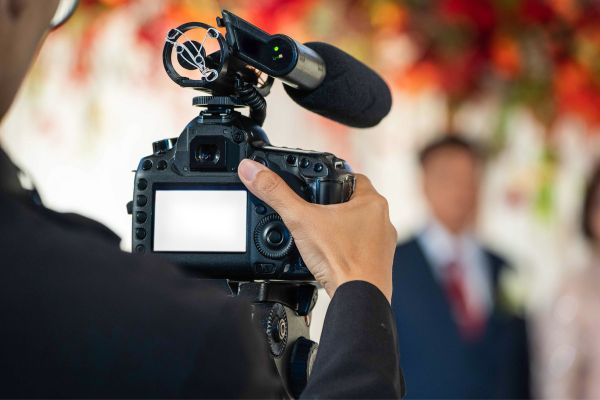
A wedding day moves faster than most couples expect. One moment, someone is adjusting a veil in a quiet room. A few hours later, music is filling the reception, glasses are being raised, and the dance floor has taken on a life of its own. Photographs preserve still moments beautifully, but video captures something different. It holds the voices, the movement, the nervous laughter, the vows, the music, and the small pauses that are easy to forget.
That is why finding the best wedding videographers has become such an important part of wedding planning. A good videographer does more than record the day. They shape a moving memory, one that feels honest and emotional without turning the wedding into a performance. When the right person is behind the camera, the film becomes more than documentation. It becomes a way to return to the feeling of the day.
Why Wedding Videography Matters
For many couples, wedding video feels like one of those decisions they consider after choosing the venue, photographer, flowers, and catering. It can seem optional at first. Then, months or years later, couples often realize how precious sound and motion really are.
A photograph can show the way two people looked at each other during the ceremony. A video can let them hear the tremble in a voice during the vows. A photograph can capture a parent wiping away a tear. A video can preserve the way that parent laughed moments later. These details are not always dramatic, but they are deeply human.
Wedding videography also captures atmosphere. The sound of guests cheering, the rustle of a dress, the first notes of a song, and the rhythm of a crowded dance floor all help tell the story. Together, they create a memory that feels alive.
What Makes a Wedding Videographer Truly Good
The best wedding videographers understand that a wedding is not a film set. It is a real event filled with real people, emotions, interruptions, weather changes, family dynamics, and unexpected little moments. Their job is to notice without getting in the way.
Technical skill matters, of course. A videographer needs to understand lighting, sound, camera movement, editing, framing, and storytelling. But the softer skills matter just as much. They need patience, awareness, calm timing, and the ability to move through a room without making guests feel watched.
A strong wedding film usually feels natural. It does not rely on overly dramatic effects or forced scenes. Instead, it follows the emotional rhythm of the day. The result should feel polished, but still personal.
Different Styles of Wedding Films
Wedding videography is not one single style. Some films feel cinematic, with sweeping shots, dramatic music, and carefully edited storytelling. Others feel documentary-like, capturing the day as it naturally unfolds. Some are romantic and soft, while others are lively, modern, and full of movement.
Cinematic films often appeal to couples who want their wedding video to feel like a short movie. These films may include drone footage, slow-motion details, creative transitions, and emotional music. When done well, the effect can be beautiful. When overdone, though, it can feel less like the couple and more like a production.
Documentary-style wedding films tend to focus on authenticity. They may include longer clips of vows, speeches, reactions, and natural interactions. This style can feel especially meaningful for couples who care about preserving the day as it really happened.
There are also editorial and social-style wedding videos, which are shorter, stylish, and designed for quick viewing. These can be fun additions, but they should not replace a fuller wedding film if the couple wants a lasting record of the day.
The Importance of Sound
Sound is one of the most overlooked parts of wedding videography, yet it can make or break the final film. Beautiful visuals lose much of their emotional power if the vows are muffled or the speeches are difficult to hear.
The best wedding videographers pay close attention to audio. They may use discreet microphones during the ceremony, record from the sound system during speeches, and capture ambient sound throughout the day. This allows the final film to feel layered and immersive.
Clear audio also makes the video more personal. Years later, hearing a grandparent’s voice, a parent’s speech, or a friend’s laughter can become one of the most meaningful parts of the film. These sounds are impossible to recreate, which is why careful recording matters so much.
How Videographers Capture Emotion Without Forcing It
A wedding day naturally brings emotion, but not every emotional moment is obvious. Sometimes it is a groom taking a deep breath before the ceremony. Sometimes it is a bride’s sibling quietly fixing the train of her dress. Sometimes it is a quick glance between parents during the vows.
Good videographers are trained to watch for these small moments. They do not need to interrupt or direct every scene. Instead, they observe. They understand where emotion is likely to happen and position themselves carefully.
This kind of storytelling requires sensitivity. Couples should not feel like they are constantly acting for the camera. The best films often come from a videographer who lets the day breathe.
Working Alongside the Photographer
Wedding photographers and videographers often share the same space, especially during key moments such as getting ready, first looks, portraits, ceremonies, and receptions. When they work well together, the couple benefits. When they do not, the day can feel crowded or awkward.
Experienced videographers know how to collaborate respectfully with photographers. They understand when to step forward, when to step back, and how to avoid blocking important shots. The photographer captures still images, while the videographer captures movement and sound. Both roles are different, but they should feel connected.
It can help when couples choose professionals whose styles work together. A soft, romantic photographer and a bold, high-energy videographer may still collaborate well, but their final work may feel different. That is not always a problem, as long as the couple understands the contrast.
What to Look for in a Wedding Videographer’s Portfolio
A portfolio can reveal a lot, but it should be viewed carefully. Highlight reels are useful, but they only show the best few minutes from a full wedding. Couples should try to watch at least one longer film if possible. This gives a better sense of pacing, storytelling, audio quality, and editing choices.
It is also worth noticing whether the films feel personal or repetitive. Do the couples seem different from one another, or does every video follow the same formula? Are the vows and speeches used thoughtfully? Does the music support the story, or does it overpower it?
The best wedding videographers create films that reflect the couple and the day. Their work may have a recognizable style, but it should not make every wedding feel identical.
Questions Couples Should Consider
Before choosing a videographer, couples should think about what they really want from the final film. Do they want a short emotional highlight reel, a full ceremony recording, speeches, raw footage, social media clips, or a documentary-style edit? These choices affect both the filming plan and the final delivery.
It also helps to understand how many hours of coverage are needed. A short ceremony-only package may work for a small wedding, but a full wedding day often needs coverage from preparation through the reception. Some of the most meaningful moments happen early in the day, before guests arrive, or late at night, after formal events are over.
Couples should also pay attention to communication. A videographer may have beautiful work, but if their communication feels unclear or rushed, the planning process may become stressful. A calm, organized professional can make the experience much smoother.
The Role of Editing in the Final Film
Much of the magic of wedding videography happens after the wedding. Editing is where hours of footage become a story. The editor chooses the order of scenes, the emotional arc, the music, the pacing, and the balance between visuals and sound.
A thoughtful edit does not simply show events in order. It creates feeling. A line from a speech may be placed over footage of the couple walking together. A quiet ceremony moment may lead into a joyful reception scene. These choices shape how the film is experienced.
Editing style is one reason couples should choose carefully. Some videographers prefer fast cuts and dramatic music. Others allow scenes to unfold slowly. Neither approach is automatically better. The right choice depends on the couple’s taste and the mood of the wedding.
Avoiding a Film That Feels Too Staged
There is nothing wrong with a few guided moments. A videographer may ask the couple to walk together, hold hands, or pause near beautiful light. These scenes can help create visual variety. But a wedding film should not feel like an acting exercise.
The best results often come from a balance between natural observation and gentle direction. Couples should still feel like themselves. They should not spend the day repeating movements for the camera or worrying about how every moment looks.
A wedding video becomes stronger when it includes real texture: imperfect laughter, spontaneous dancing, emotional speeches, quiet nerves, and little surprises. These are the things that make the film feel true.
Why the Best Wedding Videographers Are Storytellers
At its heart, wedding videography is storytelling. The camera records what happens, but the videographer decides how the story is seen and felt. They notice the setting, the people, the emotional build-up, and the moments that give the day meaning.
A wedding film does not need to include every single detail to be complete. It needs to capture the spirit of the day. Sometimes that spirit is elegant and quiet. Sometimes it is joyful and loud. Sometimes it is tender, emotional, and full of family tradition.
The best wedding videographers understand this. They are not just collecting footage. They are preserving a piece of personal history.
A Wedding Film Worth Returning To
Choosing a wedding videographer is really about choosing how the day will be remembered in motion. Flowers fade, music ends, and even the most carefully planned celebration eventually becomes memory. A wedding film gives that memory a voice, a rhythm, and a way to be revisited.
The best wedding videographers capture more than beautiful scenes. They capture feeling. They understand when to step close, when to stay quiet, and how to turn real moments into a film that still feels alive years later. In the end, a wedding video is not only about seeing what happened. It is about remembering how it felt to be there.