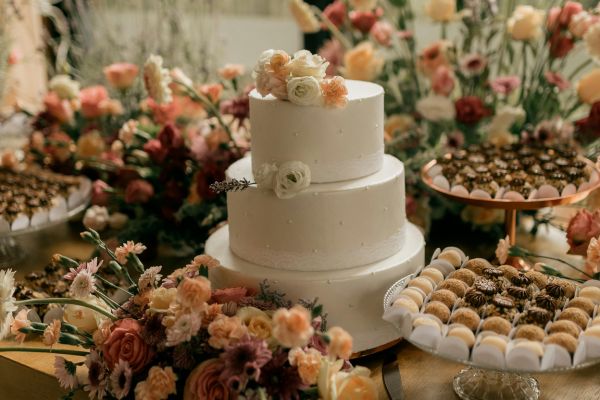
The cake cutting ceremony is one of those wedding moments that feels small and symbolic at the same time. It may only take a few minutes, yet it often becomes one of the most photographed parts of the reception. Guests gather around, the couple stands side by side, the knife touches the cake, and suddenly a simple dessert becomes part of a much larger tradition.
For many couples, the cake cutting is not just about serving something sweet. It represents sharing, partnership, celebration, and the beginning of a new life together. Over time, cake cutting ceremony traditions have changed, softened, and become more personal, but the heart of the ritual remains the same. It is a public moment of togetherness, wrapped in sweetness and a little bit of theater.
Understanding the meaning and etiquette behind this tradition can help couples decide how formal, playful, or personal they want the moment to be. There is no single correct way to cut a wedding cake anymore, but knowing the customs can make the experience feel more natural and less awkward.
The Meaning Behind the Wedding Cake Cutting Ceremony
The wedding cake has long been connected with prosperity, good fortune, and celebration. In earlier traditions, cake or bread was used as a symbol of abundance. Sharing it with guests was a way of spreading joy and good luck. Over the years, the cake became more decorative and elaborate, but its meaning stayed close to the idea of community and blessing.
The act of cutting the cake together represents the couple’s first shared task after marriage. It is simple, yes, but symbolically meaningful. Two people place their hands on the knife, cut into the cake, and serve the first slice together. In a quiet way, it suggests cooperation, unity, and care.
The first bite also carries meaning. Traditionally, couples feed each other a small piece of cake as a sign of mutual support. It can be tender, funny, or a little clumsy, depending on the couple’s personalities. What matters most is that the moment feels genuine.
How Cake Cutting Became a Wedding Reception Highlight
Wedding cakes were not always the towering, carefully designed centerpieces seen today. In many cultures, wedding sweets were once simpler. They might have been breads, small cakes, pastries, or symbolic foods shared with guests. As weddings became more formal and photography became part of the celebration, the cake took on a more visual role.
The cake cutting ceremony became a natural highlight because it brought everyone’s attention to one beautiful object and one shared moment. It also helped signal the transition from dinner into dessert, dancing, or the later part of the evening.
Today, some couples choose grand tiered cakes, while others prefer smaller cakes, dessert tables, cupcakes, or cultural sweets. Still, the act of cutting something together remains meaningful. Even when the cake itself is modest, the ceremony gives the reception a lovely pause.
When the Cake Cutting Usually Happens
Timing is one of the most common questions couples have. Traditionally, the cake cutting happens after dinner and before the dance floor becomes fully active. In many receptions, it takes place shortly after speeches or the couple’s first dance, depending on the flow of the evening.
There is a practical reason for this timing. Once the cake is cut, catering staff can take it away, slice it, plate it, and serve it to guests. It also gives older guests or those leaving early a chance to enjoy dessert before the evening gets too late.
Some couples prefer to cut the cake earlier, especially if they want to move quickly into dancing. Others wait until later so the cake cutting becomes a sweet mid-reception moment. Both approaches can work. The best timing depends on the schedule, the meal style, and the mood the couple wants to create.
If the reception includes a dessert table, the cake cutting may happen before the dessert station opens. If the wedding is more casual, the moment may be announced lightly rather than treated as a formal event. The key is to make sure the photographer, planner, caterer, and anyone handling the cake knows the timing in advance.
Traditional Cake Cutting Etiquette
Cake cutting etiquette is not as strict as it once was, but a few customs still help the moment go smoothly. Usually, the couple stands together behind or beside the cake, facing the guests or photographer. One partner places a hand on the knife, and the other places their hand over it. Together, they cut a small slice from the bottom tier, usually from the back or side if the front design is especially detailed.
The slice does not need to be large. In fact, smaller is better. Wedding cakes are often structured with layers, fillings, supports, and decorative elements, so trying to cut a large piece can become messy. A small wedge or neat bite-sized portion is enough for the ceremonial first taste.
After cutting, the couple may use a cake server to place the slice on a small plate. They then feed each other a small bite. This should be done gently and with care. The moment is meant to show affection, not create discomfort.
Once the ceremonial bite is finished, the cake is usually taken away to be sliced for guests. In some weddings, the couple may serve a piece to parents or grandparents as a sign of respect, though this depends on family customs and personal preference.
The First Bite and Its Symbolism
The first bite is often the most playful part of the cake cutting ceremony. Traditionally, it represents the couple’s promise to care for and provide for one another. Feeding each other cake is a small gesture, but it carries a message of trust and sweetness.
Some couples keep this moment soft and romantic. Others laugh through it, especially if the cake is difficult to handle or the frosting is thicker than expected. That little imperfection can actually make the memory better.
One point of etiquette is worth mentioning: smashing cake into each other’s faces is a personal choice, not a universal tradition. Some guests find it funny, while others see it as uncomfortable or disrespectful. The safest approach is for the couple to discuss it beforehand. If both people genuinely want a playful cake-smash moment, that is their choice. But it should never be a surprise at one partner’s expense.
A wedding day already carries plenty of emotion. The cake cutting should feel joyful, not embarrassing.
Cultural Variations in Cake Traditions
Cake cutting ceremony traditions can look different depending on culture, religion, region, and family background. In some weddings, the cake is central. In others, sweets, pastries, or symbolic desserts take its place.
In many Western-style weddings, the tiered cake and first bite are familiar traditions. In some South Asian weddings, elaborate dessert tables may accompany or replace a traditional cake, with sweets such as gulab jamun, barfi, jalebi, or other festive treats. In Middle Eastern celebrations, cakes may appear alongside rich dessert spreads, dates, nuts, and pastries. In some European customs, specific cakes or breads carry symbolic meaning tied to fertility, prosperity, or good fortune.
Modern multicultural weddings often blend traditions. A couple might cut a classic wedding cake and also serve desserts from both families’ backgrounds. This can make the ceremony feel more personal and inclusive. It also allows food to tell part of the couple’s story without needing a long explanation.
The important thing is not to copy a tradition just because it looks elegant in photos. A meaningful cake ceremony comes from choosing customs that feel connected to the couple and their families.
The Role of the Wedding Cake in Reception Flow
The cake often acts as a visual centerpiece during the reception. Guests may notice it when they enter the room, photograph it during cocktail hour, and wait for the moment it is finally cut. Because of this, the cake cutting can help shape the evening’s rhythm.
After dinner, guests may begin to relax into conversation. A cake cutting announcement gently brings attention back to the couple. It creates a shared pause before the energy shifts again, often toward dessert, dancing, or late-night celebration.
This is why placement matters. The cake table should be easy to access and visible enough for guests to gather without crowding. Lighting also matters, especially for photographs. A cake placed in a dark corner may be difficult to capture, while one placed too close to a dance floor or doorway may feel chaotic.
The cake cutting does not need to be dramatic, but it benefits from a little planning. When the space, timing, and people involved are ready, the moment feels effortless.
Who Should Announce the Cake Cutting
At many weddings, the DJ, bandleader, planner, or master of ceremonies announces the cake cutting. The announcement is usually brief and warm, inviting guests to gather or turn their attention toward the cake table.
Some couples prefer a quieter version. Instead of gathering every guest, they may simply cut the cake with close family nearby while the photographer captures the moment. This works well for smaller weddings or couples who dislike being the center of attention for too long.
For larger weddings, an announcement is helpful because guests may be spread across the room. It also ensures that important family members do not miss the moment. Parents, grandparents, and close friends often appreciate being present for this tradition.
The tone of the announcement should match the wedding. It can be formal and elegant, casual and cheerful, or short and simple. The ceremony itself does not need a speech unless the couple wants one.
How to Cut the Cake Gracefully
Cutting a wedding cake can feel surprisingly awkward if no one explains what to do. Most couples are not used to slicing a tall, decorated cake in front of a crowd. Fortunately, the ceremonial cut is simpler than it looks.
The couple usually cuts a small piece from the bottom tier. They should avoid cutting too close to decorative flowers, heavy fondant details, or structural supports. If the cake has a fake tier or special construction, the baker or caterer should indicate where to cut.
The knife should go in gently, creating a small wedge or rectangular piece. After that, the cake server can lift the slice onto a plate. It does not have to look perfect. This is not the final plated dessert for guests; it is a symbolic first slice.
It helps to have a napkin nearby. Frosting has a way of landing on fingers, rings, and sleeves at exactly the wrong time. A small plate, fork, knife, server, and napkin should all be ready before the couple arrives at the cake table.
Modern Twists on the Cake Cutting Tradition
Many couples today are reimagining cake cutting ceremony traditions to fit their style. Some cut a small display cake and serve sheet cake from the kitchen. Others cut a single-tier cake while guests enjoy cupcakes, donuts, pies, or dessert shooters.
Some couples choose a private cake cutting before the reception begins, especially if they want a quiet photo moment without a crowd. Others make it a playful event with music, applause, and a dramatic first bite. There is no one correct mood.
Another modern twist is cutting a dessert that is not cake at all. Couples may slice cheesecake, pie, baklava, brownie slabs, or another meaningful sweet. This is especially common when the couple does not love traditional wedding cake. The symbolism remains the same: sharing the first sweet bite together.
The modern approach is less about following every old rule and more about keeping the spirit of the tradition alive. It should feel like the couple, not a performance copied from someone else’s wedding.
Common Mistakes to Avoid During the Cake Cutting
One common mistake is not coordinating the timing with the photographer. The cake cutting happens quickly, and if the photographer is eating dinner, changing equipment, or capturing guests elsewhere, the moment can be missed.
Another mistake is placing the cake in an inconvenient spot. If the table is too close to a wall, the couple may have trouble standing behind it. If it is in a high-traffic area, guests may crowd around awkwardly. A little space makes the ceremony feel more graceful.
Couples sometimes forget to prepare the cutting tools. A beautiful cake knife is lovely, but it also needs to be present at the right time. The plate, fork, and napkins should be nearby as well.
It is also wise to discuss the first bite beforehand. Playful surprises can be fun in many parts of a wedding, but cake smashing is one area where agreement matters. A respectful, shared understanding keeps the moment light and happy.
Making the Tradition Feel Personal
The cake cutting becomes more meaningful when it reflects the couple’s personality. This can be done through music, cake flavor, family customs, cultural desserts, heirloom cake knives, or even the way the moment is introduced.
Some couples use a knife or serving set passed down through the family. Others choose a cake flavor connected to a memory, such as lemon from a summer trip, chocolate from a favorite dessert, or almond from a family recipe. These details may be small, but they add emotional texture.
A couple can also invite parents, children, or grandparents to join for a photo after the first cut. In blended families or intimate weddings, this can turn the cake moment into a quiet family memory rather than just a reception formality.
Personal does not have to mean elaborate. Sometimes it simply means choosing what feels natural and leaving out what does not.
Conclusion
Cake cutting ceremony traditions have lasted because they capture something simple and deeply human: two people sharing a sweet beginning in front of the people who love them. The ceremony may be brief, but it carries layers of meaning, from partnership and care to celebration and good fortune.
Modern couples have plenty of freedom in how they approach it. They can keep the moment formal, make it playful, blend cultural customs, or simplify it into a quiet photo opportunity. What matters most is that the cake cutting feels comfortable, respectful, and connected to the spirit of the wedding.
In the end, the tradition is not really about the perfect slice or the neatest first bite. It is about pausing in the middle of a busy, emotional day to share something sweet together. That small gesture is why the cake cutting continues to feel meaningful, generation after generation.